
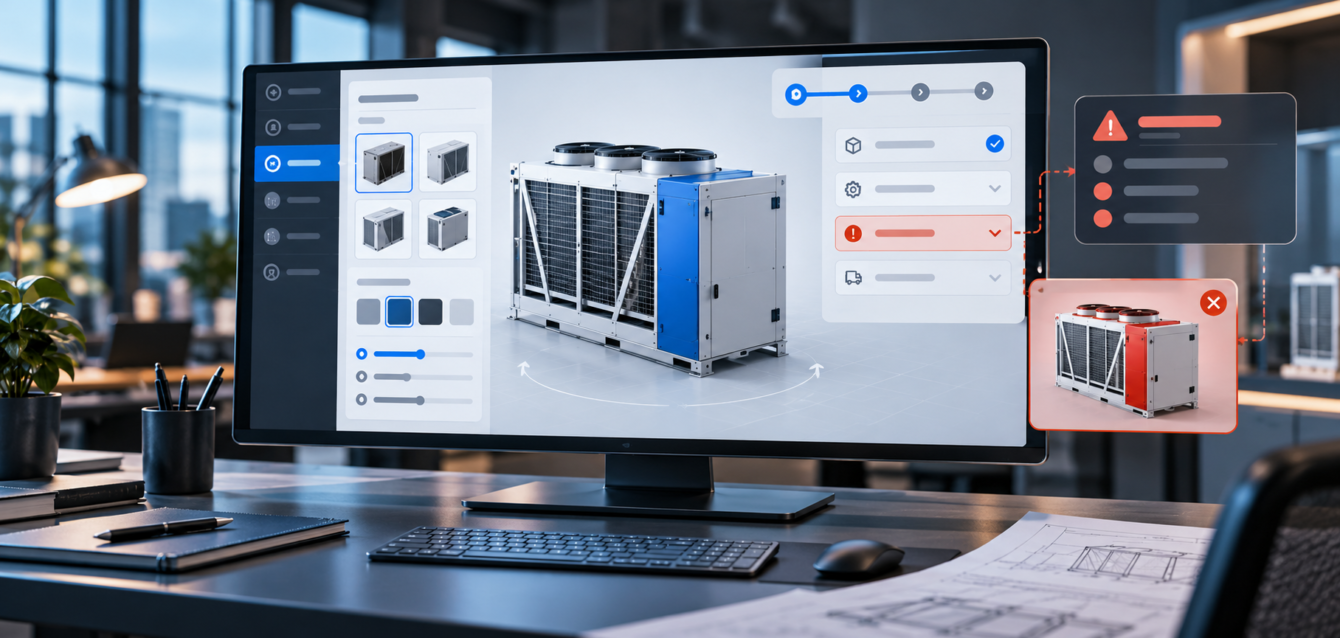
A 3D product configurator can turn a complicated buying process into a clearer conversation. It lets buyers explore options, compare variations, and understand how a product changes before they speak with sales. But when the user experience is poorly planned, the…
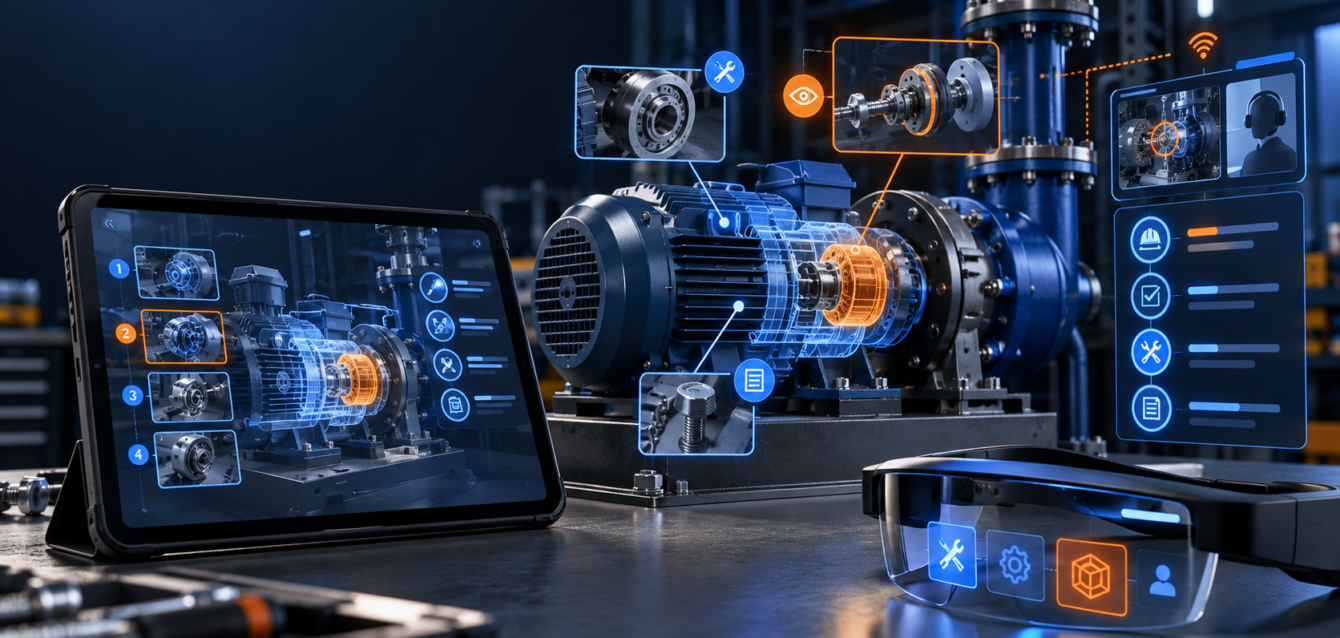
AR Services for Product Demos, Training, and Field Support
AR services help companies bring digital instructions, product visuals, and guided experiences into the real-world environment where decisions and work happen. Instead of relying only on manuals, flat videos, or static product pages, augmented reality can show information in context. This…

AR Sales Enablement for B2B Product Teams: How Interactive Demos Shorten Buying Cycles
A practical guide to using AR sales enablement for B2B product teams, including interactive demos, buyer education, implementation planning, and ROI signals.
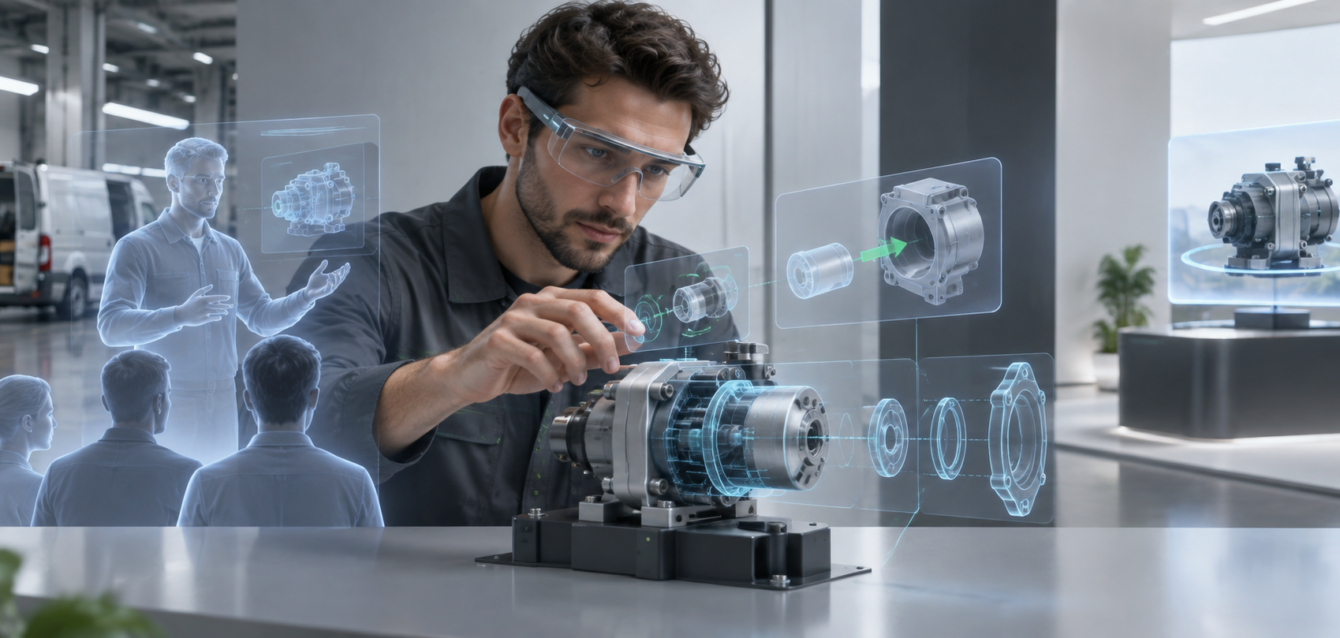
Augmented Reality for Field Service, Training & Product Demos
Augmented reality is becoming a practical business tool for teams that need to explain physical products, guide hands-on work, and support customers with clearer visual information. Instead of relying only on manuals, flat images, or long video calls, AR places digital…
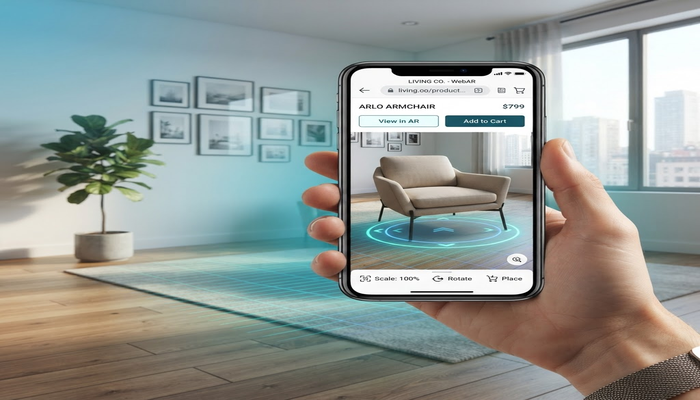
WebAR Product Configurator USA 2026: Let Buyers Customize and View Products in Their Space
★ Quick answer: A WebAR product configurator lets shoppers customize a product in 3D and place it in their real space from a mobile browser. For US ecommerce brands in 2026, WebAR configurators help reduce returns, replace variant photography, and improve buyer confidence before checkout.
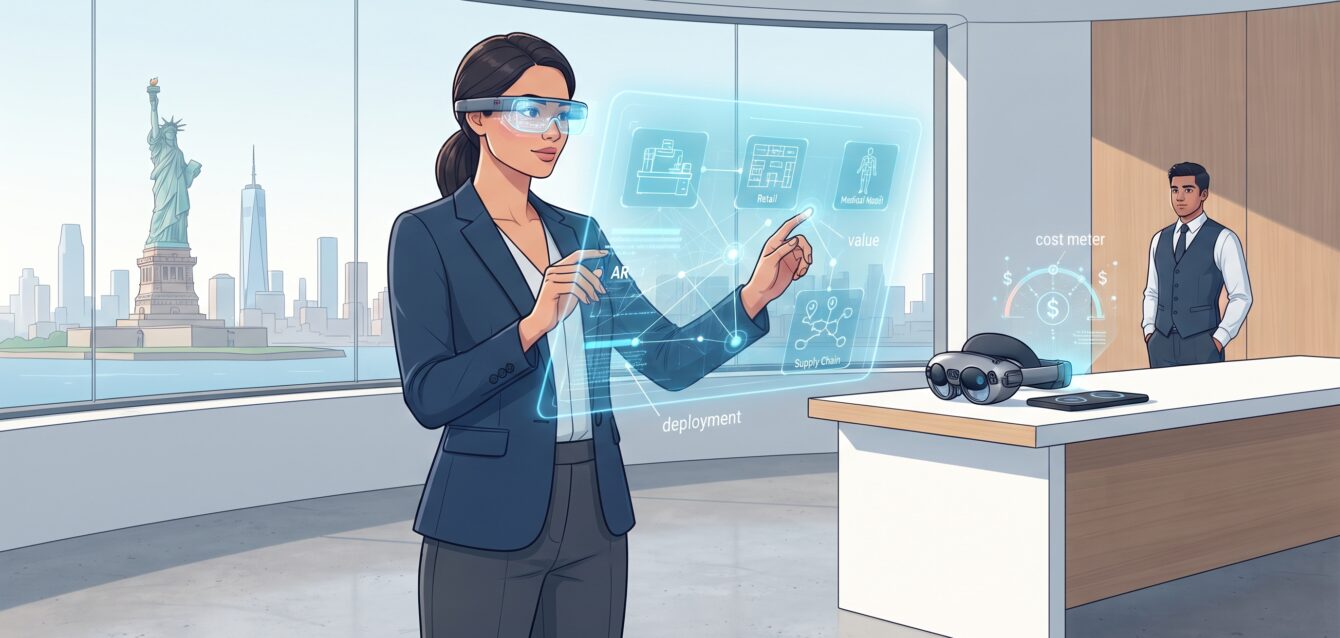
Augmented Reality Services USA 2026: What US Businesses Are Actually Deploying — and What It Costs
★ Quick answer: Augmented reality services for US businesses in 2026 cover five commercially mature applications: WebAR product placement, AR try-on, field service AR, industrial training AR, and spatial computing for enterprise. This guide explains each application, which US industries…

Why AR Has Become a Real Estate Sales Tool, Not a Gimmick
There is a moment in every off-plan property sale where the buyer has to make a leap of imagination — from a floor plan and a render to the lived experience of the home they are committing to. Some buyers can…

Augmented Reality for Healthcare USA 2026: Surgical Training, Medical Devices & Patient Education
★ Quick Answer: US hospitals, medical device companies, and surgical programs deploy AR across four applications in 2026: surgical guidance, device training, patient education, and clinical staff onboarding. Costs range from $8,000 for patient education tools to $200,000+ for surgical…

AR Development Company | AR Developers USA 2026
TL;DR: Choosing the right AR development company is critical for US brands looking to merge physical environments with digital intelligence. At Ink & Algorithm, our expert AR developers design custom spatial computing experiences, native mobile applications, and WebAR solutions tailored for…
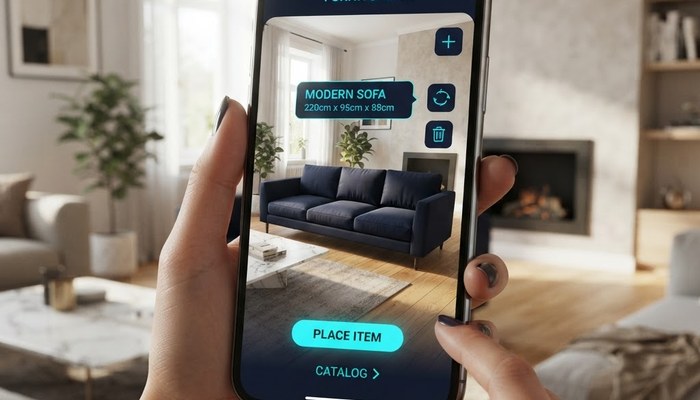
Augmented Reality App Development | AR Apps USA 2026
TL;DR: Augmented reality app development is transforming how US enterprises, retailers, and industrial leaders engage customers and streamline operations. From immersive 3D configurators to real-time industrial guidance, custom augmented reality apps drive higher conversion rates and lower operational costs. Partnering with…