
A headless 3D configurator separates the interactive WebGL experience from the Shopify theme and commerce backend. Instead of loading a heavy visualizer inside every storefront page, the configurator runs as an independent application, exchanges lightweight product state through APIs, and loads…
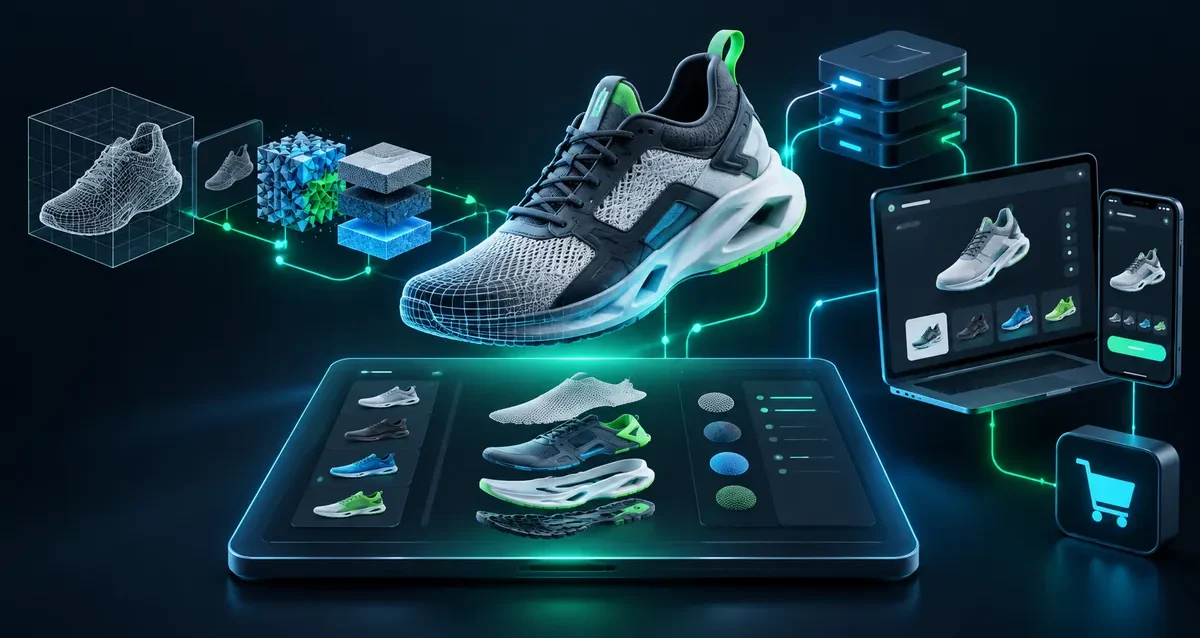
Shopify Plus 3D Product Configurator Architecture: How Headless WebGL Customizers Drive 40% Higher Cart Conversion
The economics of DTC product photography are unsustainable at scale, and most e-commerce directors know it. A configurable product — a bag available in eight leathers, six hardware finishes, and four sizes — requires 192 photographic combinations to represent every orderable…

WebGPU vs WebGL in 2026: Why the Next Generation of Browser-Based 3D Configurators Eliminates Cloud GPU Streaming Costs
The economic argument for cloud GPU streaming in 3D product configurators has always rested on a gap: the gap between what browser-native rendering could do and what a high-ticket product visualization actually required. When WebGL’s rasterization pipeline couldn’t deliver the material…
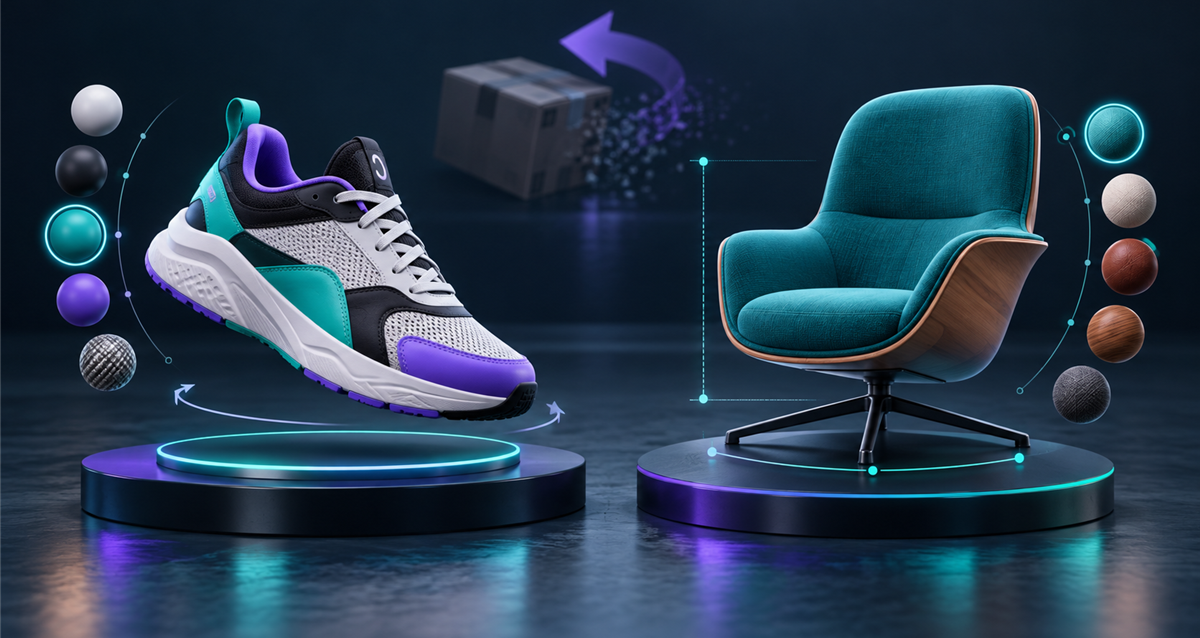
Interactive 3D Product Configurators: How to Reduce Ecommerce Returns and Protect Retail Margins
Ecommerce returns erode margin twice: once through refunded revenue and again through reverse logistics, inspection, repackaging, discounting, and customer-support costs. For customized products, the damage can be even greater because returned inventory may be difficult to resell. A high-performance 3D product…
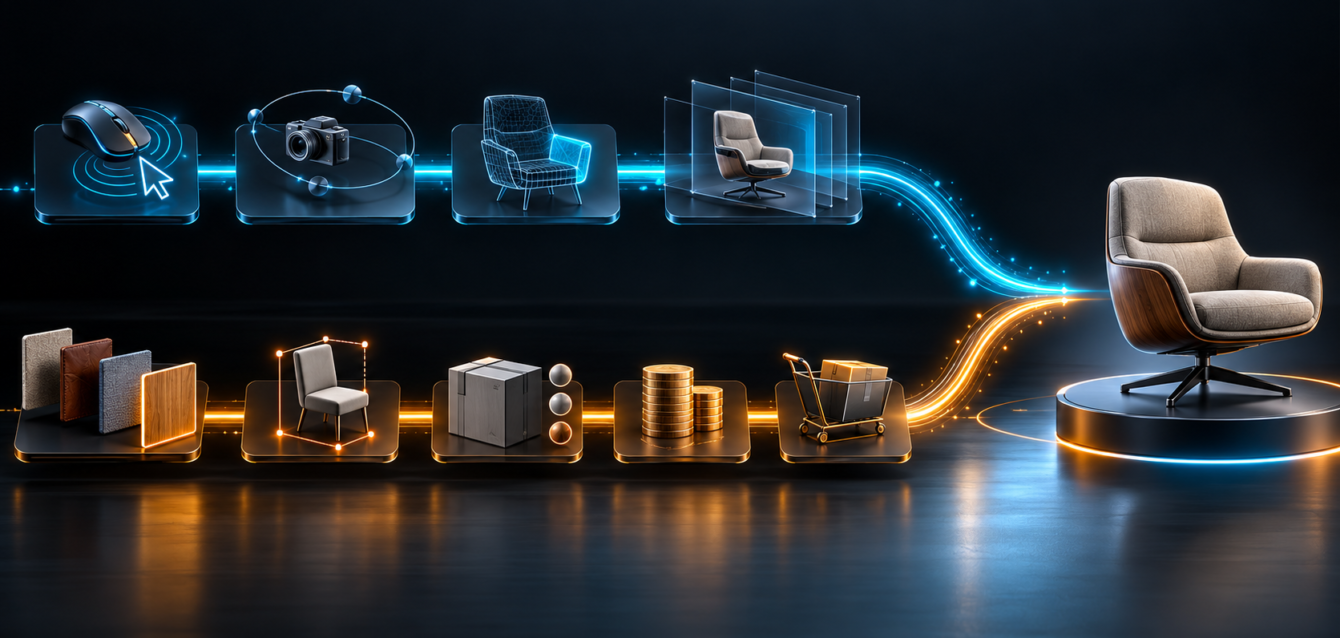
React Three Fiber State Architecture: Decoupling WebGL from Next.js Hydration (2026 Implementation Guide)
A headless 3D configurator does not fail because React, Three.js, or Next.js is inherently slow. It fails when one state model is asked to serve three systems with different timing rules: React’s render lifecycle, WebGL’s frame loop, and commerce infrastructure’s transactional…
Shopify 3D Product Configurator Architecture: Build Sub-2MB WebGL Customizers
Shopify Plus merchants increasingly use interactive 3D to help buyers understand, customize, and purchase complex products. The challenge is performance: a visually impressive experience can still fail commercially if it adds ten megabytes of assets, blocks the main thread, shifts the…
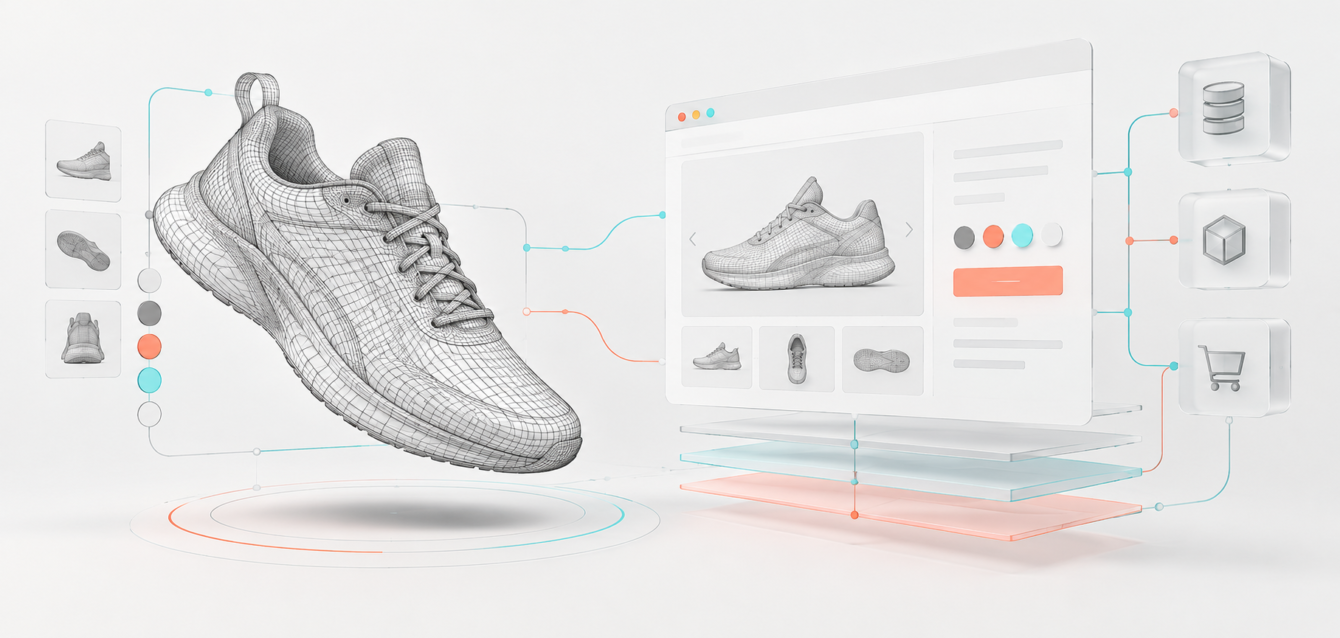
Headless 3D Commerce: How to Integrate Real-Time WebGL Configurators into Next.js Storefronts Without Sacrificing Page Speed (2026 Architecture Blueprint)
Headless commerce gives brands control over the storefront, but adding an interactive 3D product experience can quietly undo that performance advantage. A poorly integrated viewer may delay hydration, inflate the client bundle, compete with checkout scripts, and turn a fast Next.js…
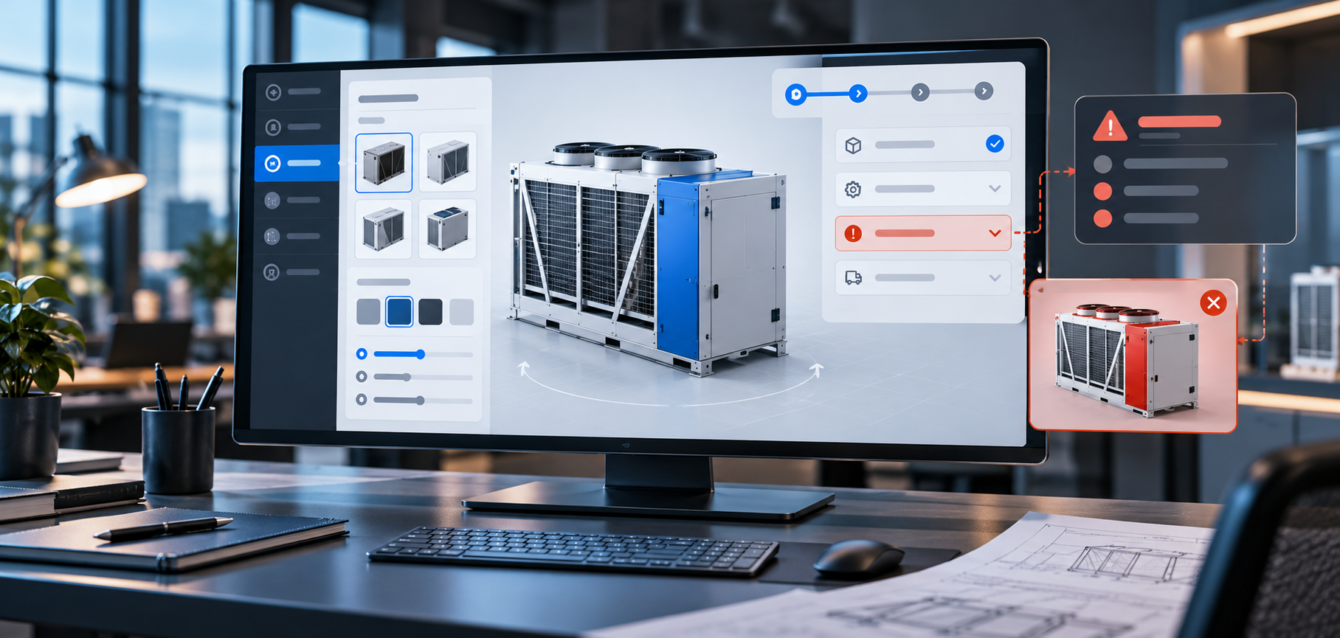
3D Configurator UX Mistakes That Slow Down Enterprise Buyers
A 3D product configurator can turn a complicated buying process into a clearer conversation. It lets buyers explore options, compare variations, and understand how a product changes before they speak with sales. But when the user experience is poorly planned, the…
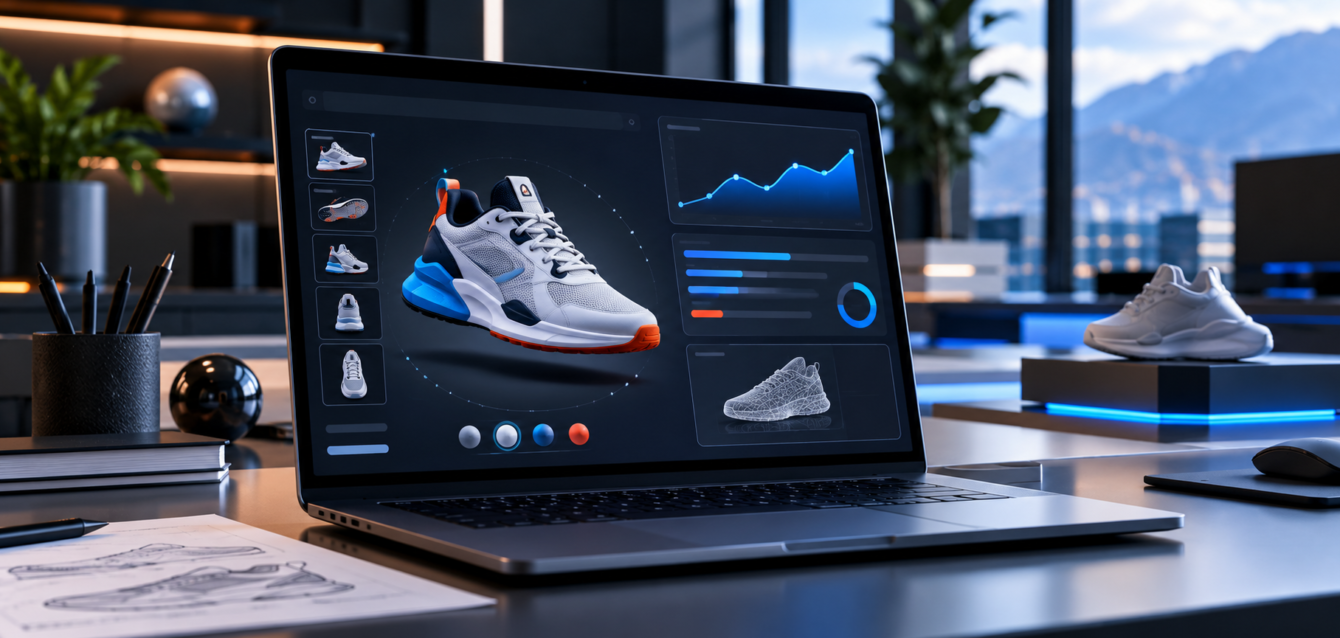
3D Product Page Performance Budget: How to Keep Interactive Experiences Fast
Interactive product pages can help buyers understand complex products faster, but only when the experience loads quickly and runs smoothly. A slow 3D viewer, heavy texture set, or overloaded configurator can turn a strong idea into a frustrating sales moment. That…
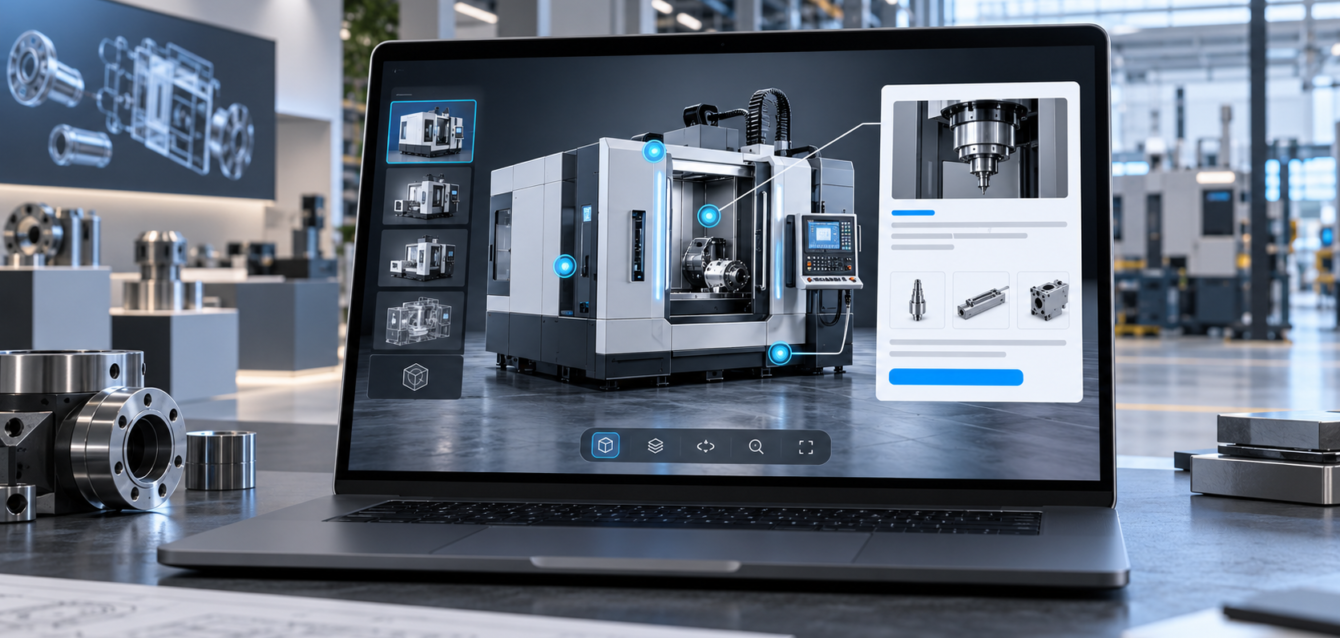
WebGL Product Demos for Manufacturing Websites: How to Help Buyers Understand Complex Products
Manufacturing buyers rarely make decisions from a flat product photo alone. They need to understand scale, movement, options, compatibility, and the practical value of a system before they are ready to speak with sales. That is where WebGL product demos can…