
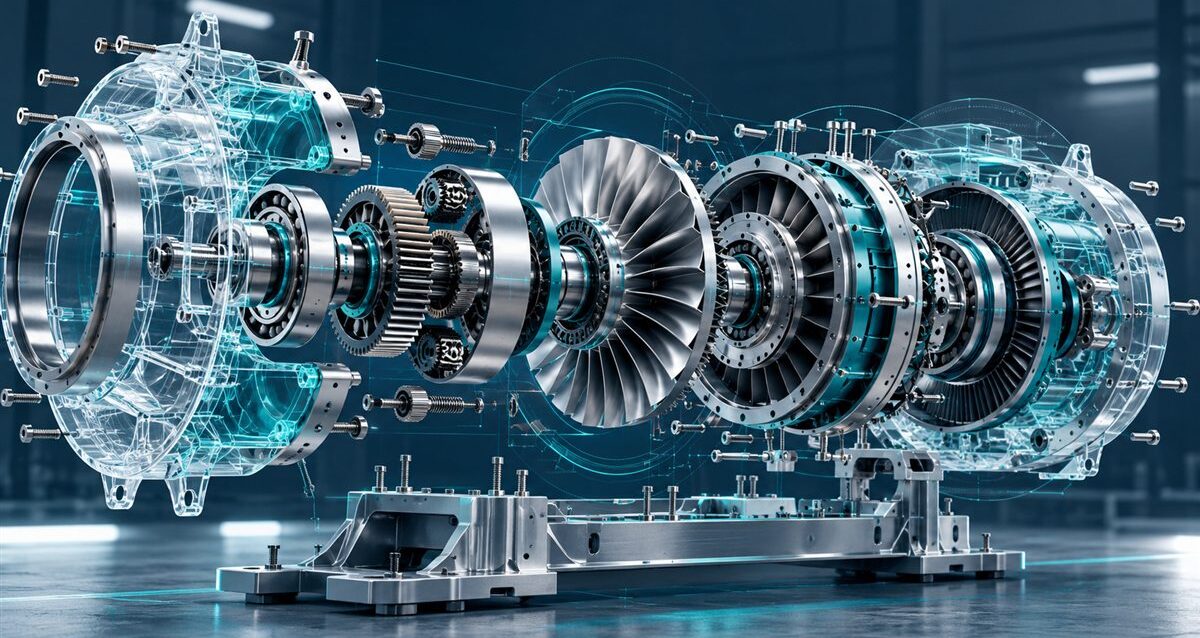
Technical animation helps companies explain complex products, systems, assemblies, and workflows without forcing buyers or teams to decode long manuals. For industrial brands, manufacturers, technology companies, and B2B sales teams, animation can make invisible mechanisms, internal parts, installation steps, and product value easier to understand.
This article focuses on technical animation for industrial and complex products. For a broader view of production formats and business use cases, see our 3D animation services guide.
What Is Technical Animation?
Technical animation is a visual explanation of how something works. It may show internal components, assembly steps, product movement, safety procedures, installation sequences, maintenance workflows, or system-level interactions.
Unlike a simple promotional video, technical animation is built around clarity. The goal is to help a viewer understand a product, process, or mechanism faster than they could from static diagrams or written instructions alone.
Where Technical Animation Creates Value
Technical animation is especially useful when the product is difficult to film, expensive to demonstrate, too large to transport, or too complex to explain in a short sales conversation. It can also show details that cameras cannot capture, such as hidden parts, airflow, internal motion, electrical flow, or step-by-step assembly.
For companies selling industrial equipment, medical devices, engineered products, machinery, electronics, and configurable systems, this kind of content can reduce confusion before the buyer speaks with sales.
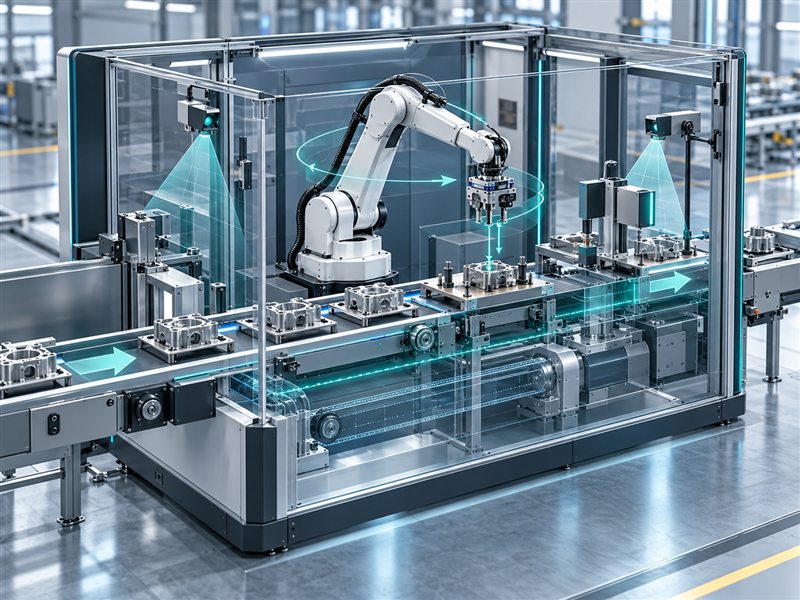
Use Animation to Support Sales Conversations
Sales teams often need to explain the same product details repeatedly. A technical animation gives them a consistent visual asset that can be used in meetings, landing pages, proposals, trade shows, and follow-up emails.
When the animation answers common questions early, sales conversations can move from basic explanation to fit, budget, timeline, and implementation. Related teams can also use animation for product marketing to support launches, explainers, and campaign assets.
Use Animation for Training and Support
Technical animation is not only a sales tool. It can also support onboarding, internal training, field support, installation guidance, and maintenance education. Teams can use animated sequences to show safe handling, part replacement, inspection steps, or troubleshooting flows.
This is useful when training needs to be repeated across locations, teams, dealers, or customers.
Plan the Story Before Production
The strongest technical animations start with a clear explanation goal. Before production begins, define what the viewer should understand after watching. That may be how a product works, why one system is better, how to install it, or what happens inside a process.
A clear script, storyboard, and shot list help keep the animation focused. Our product animation brief guide provides a practical framework for organizing scripts, storyboards, reviews, and timelines. Without that planning, the result can become visually impressive but hard to follow.
Connect Animation With Interactive Product Experiences
Technical animation can also support interactive experiences. A product page may use animation alongside WebGL viewers, 3D configurators, or AR product demos. For more interactive planning, Ink & Algorithm’s WebGL development agency page explains how browser-based 3D experiences can support product education.
Brands planning configurable products can also review the 3D product configurator requirements guide before production starts.
Final Takeaway
Technical animation works best when it makes a complex product easier to understand. For industrial and B2B teams, it can improve sales clarity, training consistency, support workflows, and buyer confidence without changing the product itself.