
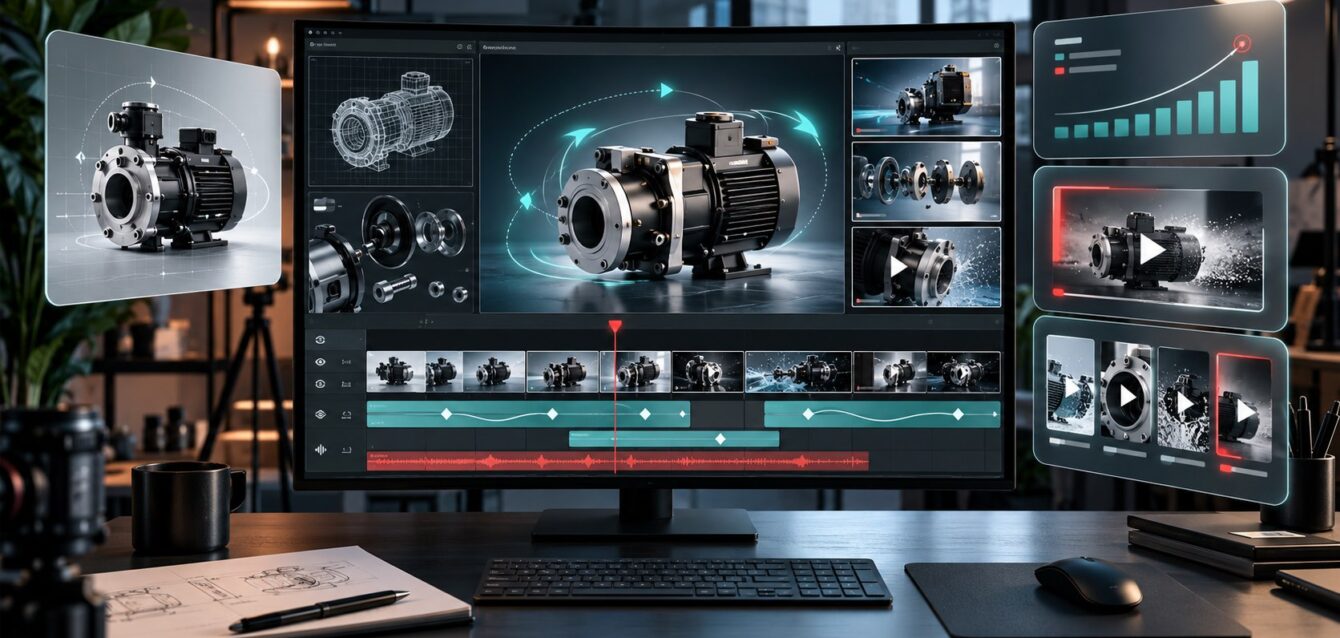
YouTube product animation ads help brands explain complex products in a format buyers already understand: short, visual, and easy to watch. For technical products, industrial equipment, software platforms, medical devices, electronics, and 3D product launches, animation can show what static photos and long copy often cannot.
This article focuses on YouTube animation for paid and organic video campaigns. It is separate from a production-planning guide about scripts, storyboards, and timelines, so it avoids repeating the same search intent.
Why YouTube Product Animation Works for Complex Offers
Complex products often have features that are hidden, internal, modular, or difficult to film. Animation makes those features visible. A product animation can show movement, assembly, internal components, use cases, safety benefits, configuration options, and problem-solving steps without needing a physical shoot for every scene.
On YouTube, that clarity matters quickly. Viewers decide within seconds whether a video is useful. A strong animation opens with the problem, shows the product in context, and gives the viewer a clear reason to keep watching.
Match the Animation Format to the Campaign Goal
Not every YouTube animation needs the same structure. A short awareness ad may need a fast product hook and one core benefit. A remarketing video may need a more specific use case. A product demo video may need closer visual detail and stronger technical explanation.
Before production, define whether the video needs to create awareness, explain a product, support a launch, drive demo requests, or help sales teams answer repeat buyer questions.
Use the First Five Seconds Carefully
The opening of a YouTube animation should avoid slow logo reveals and generic introductions. For complex products, the strongest opening usually shows the buyer problem, the product outcome, or a dramatic before-and-after comparison.
Examples include a machine part failing and being replaced, a product configuration changing in real time, or a technical workflow becoming easier to understand through motion.
Turn Features Into Visual Proof
Feature lists rarely perform well by themselves. Animation can turn features into visual proof by showing what the feature does, why it matters, and how it affects the buyer’s workflow.
For example, instead of saying a product is modular, animation can show modules swapping in seconds. Instead of saying a platform is integrated, animation can show data moving between product, website, CRM, and sales systems.
Plan Multiple Cutdowns From One Animation
A good YouTube animation project should create more than one final file. Teams can often reuse the same animation system for a 60-second explainer, 30-second ad, 15-second retargeting cutdown, short vertical version, website hero clip, and sales presentation asset.
This keeps the production investment useful across campaigns instead of limiting it to a single upload.
Connect Animation With Product Pages
YouTube animation should not work alone. When a viewer clicks through, the landing page should continue the same message. If the video explains a product feature, the page should expand that feature with supporting visuals, technical details, and a clear next step.
For broader animation planning, Ink & Algorithm’s animation services page explains how product visuals, motion design, and technical storytelling can support marketing and sales campaigns.
Measure More Than Views
Views are useful, but they do not tell the full story. Teams should also review watch time, audience retention, click-through rate, landing page engagement, demo requests, assisted conversions, and how often sales teams reuse the animation in follow-up conversations.
These signals help teams understand whether the animation is creating real product clarity, not just impressions.
Final Takeaway
YouTube product animation ads are most effective when they translate complex features into quick visual understanding. When the campaign goal, opening hook, visual proof, cutdowns, and landing page all work together, animation becomes a practical growth asset rather than a one-off creative piece.