
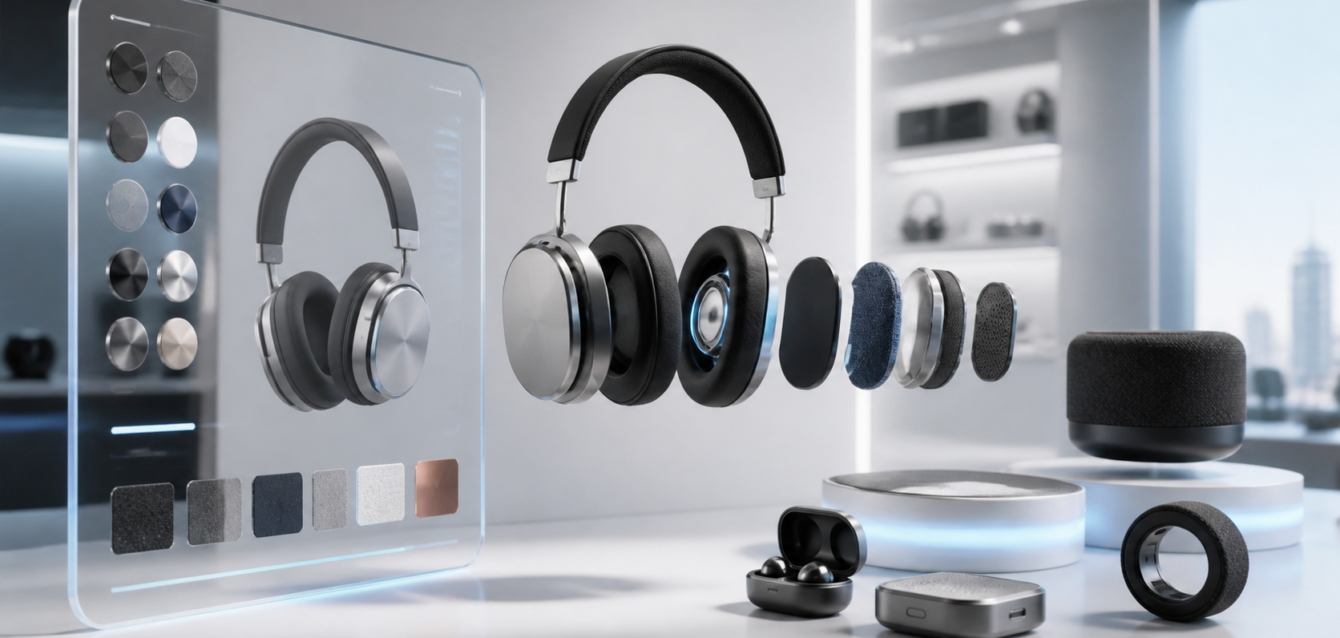
TL;DR: A 3D product configurator for electronics lets customers rotate, customize, and visualize gadgets in real time before buying. US electronics brands using 3D configurators report up to 40% higher conversion rates and 30% fewer returns. This guide breaks down how configurators work for electronics, what features matter most, and why brands in the USA are adopting them in 2026.
Why Electronics Brands Need 3D Product Configurators in 2026
The electronics market in the USA is saturated. Customers comparing smartphones, laptops, wearables, and smart home devices want to see every angle, every color, and every configuration before making a purchase. Static images and spec sheets no longer cut it.
A 3D product configurator solves this by giving shoppers an interactive, real-time 3D model they can spin, zoom, and customize. Whether it’s swapping phone colors, upgrading laptop storage, or choosing accessories for a smart watch, the configurator shows exactly what they’re getting.
Key Benefits for Electronics Brands
- Higher conversions: Interactive 3D product pages convert 20-40% better than static image pages
- Fewer returns: Customers who configure and visualize products in 3D know exactly what they’re getting
- Higher AOV: Visual upsells (accessories, extended warranties, premium colors) are more compelling when shown in 3D
- Competitive differentiation: Stand out from competitors still using flat product photography
Must-Have Features for an Electronics Configurator
Not all 3D configurators are created equal. For electronics specifically, these features are non-negotiable:
- Real-time material swapping: Instantly change colors, finishes (matte, glossy, metallic), and textures
- Modular configuration: Add or remove components (lens attachments, keyboard docks, charging docks)
- Interactive hotspots: Click on ports, buttons, or camera modules to see specs and compatibility info
- AR placement: View the device in your real environment using your phone camera
- Live pricing: Price updates instantly as customers add or change configurations
- Mobile optimization: Smooth 60fps performance on mid-range smartphones
How 3D Configurators Work: The Technical Stack
A modern 3D web configurator runs entirely in the browser — no app downloads required. The technical stack typically includes:
- Three.js or Babylon.js for WebGL rendering
- Optimized glTF/GLB models for fast loading (under 5MB per product)
- Progressive loading so the UI appears instantly while 3D assets stream in
- Cloud-based rendering fallback for older devices that can’t handle WebGL
The result is a configurator that loads in under 3 seconds and runs at 60fps on most devices — including budget Android phones common in the US market.
Real Results: Electronics Brands Using 3D Configurators
Several major electronics brands have already adopted 3D configurators with measurable results:
- A leading smartphone brand saw a 35% increase in add-to-cart rates after adding a 3D configurator
- A laptop manufacturer reported 25% fewer product returns related to “not what I expected” complaints
- A wearables company achieved a 50% boost in accessory attach rate by showing accessories on the 3D model
Looking to build a 3D web configurator for your electronics brand? Our team at Ink & Algorithm specializes in building high-performance configurators for Shopify, WooCommerce, and custom e-commerce platforms.
Frequently Asked Questions
How much does a 3D product configurator cost?
A custom 3D product configurator for electronics typically ranges from $10,000 to $50,000 depending on the number of products, configuration complexity, and integration requirements. Simpler configurators for a single product line start at around $10,000.
Can a 3D configurator work on my existing Shopify store?
Yes. We build 3D configurators that integrate seamlessly with Shopify, WooCommerce, Magento, and custom e-commerce platforms. The configurator embeds directly into your product pages without requiring a platform migration.
Do customers need to download an app to use the configurator?
No. Our 3D configurators run entirely in the web browser using WebGL. Customers can access them on desktop, tablet, or smartphone without downloading anything.
Ready to Transform Your Electronics Store?
A 3D product configurator is no longer a nice-to-have — it’s becoming the standard for electronics e-commerce in the USA. Brands that adopt now will capture market share while competitors play catch-up. Contact us today to discuss your configurator project.