
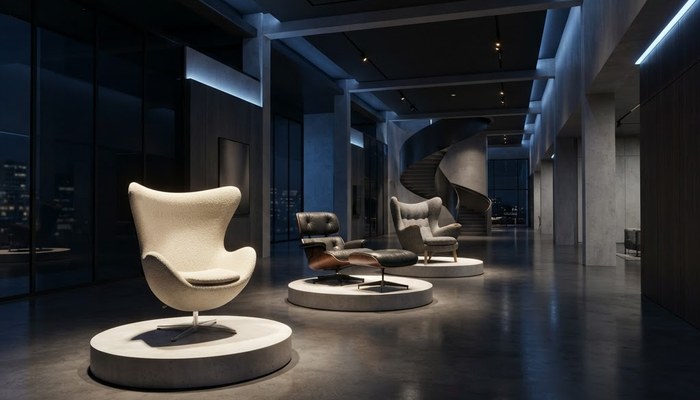
TL;DR: A virtual showroom lets buyers walk through, inspect, and configure your products online — 24/7, from any device. Here is what virtual showroom development involves, what it costs in 2026, and why US B2B and retail brands are investing now.
What Is a Virtual Showroom?
A virtual showroom is a photorealistic 3D environment — built in Unreal Engine, Unity, or WebGL — where customers explore your products as if they were physically present. They can walk the floor, zoom into details, change finishes, and even place orders, all inside a browser link or VR headset.
Virtual showroom development combines environment design, product 3D modeling, real-time rendering, hotspots and guided tours, and integration with your sales or ecommerce systems.
Why US Brands Are Building Virtual Showrooms in 2026
Sell Beyond Geography
Buyers in any state — or any country — can tour your catalog without flights, freight samples, or showroom hours. 24/7 availability turns your best physical asset into a permanent digital one.
Shorter Sales Cycles
B2B buyers who self-serve in a showroom arrive at calls pre-qualified. Sales teams report fewer repeat demos because prospects have already explored configurations on their own.
Lower Cost per Lead
Trade show exhibiting costs keep climbing; a showroom sells year-round for the price of one event booth.
Must-Have Features
- Photorealistic product assets with PBR materials and correct real-world scale.
- WebGL browser access (no installs) with optional VR mode for Meta Quest.
- Interactive hotspots that reveal specs, pricing, and case studies.
- 3D configurator integration so buyers customize and add to cart in-context.
- Lead capture — scheduled demos, PDF downloads, and CRM hooks.
What Does a Virtual Showroom Cost?
In 2026, a single-room browser showroom with 10–20 products starts around $15,000–$40,000. Multi-room flagship experiences with VR support, configurators, and CRM integration typically range from $50,000 to $150,000. First phases launch in 6–12 weeks.
Virtual Showroom vs 360 Photos vs Video
360 photos are cheap but passive. Video tells one fixed story. A real-time showroom lets each visitor follow their own path — and every interaction is measurable, from dwell time per product to configuration choices.
FAQ
What is a virtual showroom in business?
It is a real-time 3D environment where customers explore, configure, and buy products online — like your physical showroom, available 24/7 in a browser.
Do virtual showrooms require VR headsets?
No. The best showrooms run in any web browser; VR is an optional enhancement for teams that want full immersion.
Which industries benefit most?
Furniture, appliances, automotive, industrial equipment, and real estate see the strongest results.
How long does development take?
A browser-based first phase typically ships in 6–12 weeks, depending on product count and asset quality.
Build Your Virtual Showroom
Ink & Algorithm designs and develops virtual showrooms that convert — photorealistic assets, smooth WebGL performance, and commerce-ready integrations. Share your product list and we will return a concrete plan, timeline, and quote. Talk to our team for a free scoping session.