
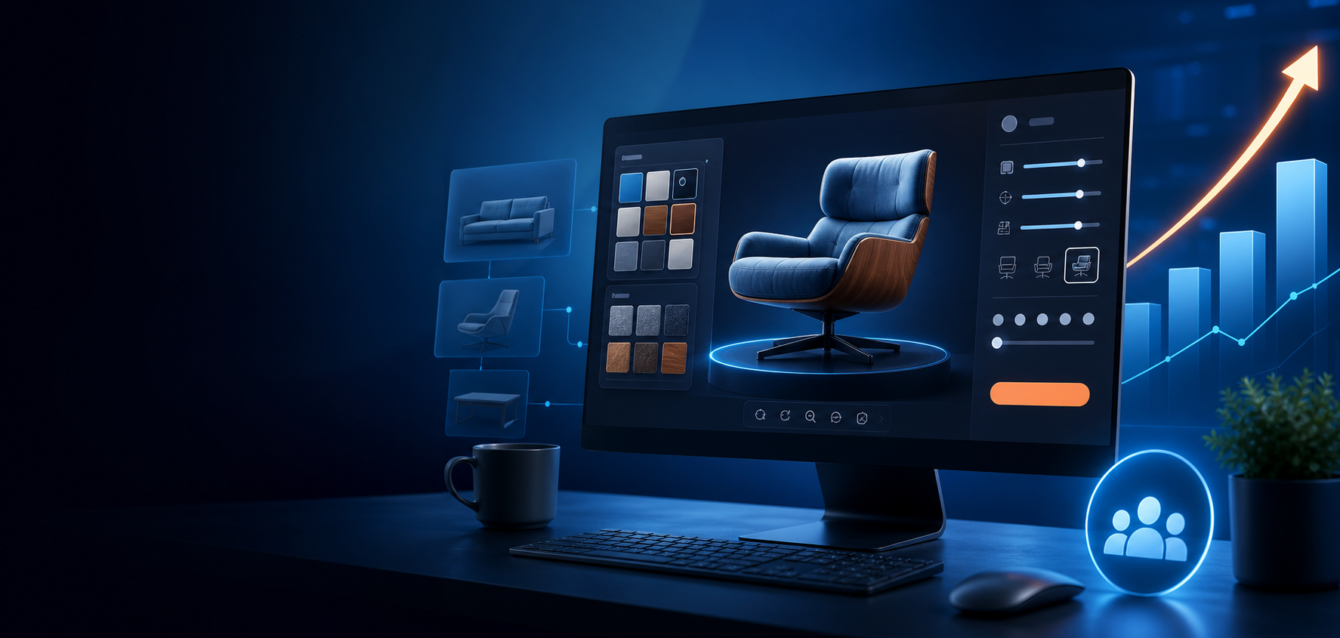
TL;DR: How Website Animation Helps Brands Win More Leads. Learn about costs, features, ROI, and how US brands use this technology in 2026.
Introduction
Website animation has moved far beyond decorative motion. In 2026, the brands that win more leads are the ones that use animation to make their message easier to understand, faster to trust, and harder to forget. That matters especially for service businesses, B2B companies, and high-consideration products, where visitors do not convert simply because the page looks nice. They convert when the experience answers their questions quickly and gives them confidence to take the next step.
If your site still relies on static blocks of text and generic stock visuals, you are making visitors work harder than they should. Motion can reduce that friction. A subtle animated hero, a product explainer, a scrolling illustration, or a guided microinteraction can help users understand value in seconds instead of minutes. Used correctly, animation supports conversions. Used carelessly, it becomes noise. This guide shows the difference.

What Website Animation Really Means
When people hear the word animation, they often think of cartoons, explainer videos, or heavy visual effects. On websites, the meaning is broader and more practical. Website animation includes motion that supports navigation, storytelling, clarity, and action. That can be as simple as a button hover state, or as strategic as a short motion sequence that explains how a service works.
The best website animation is purposeful. It helps a visitor notice the right thing at the right moment. It can guide attention toward a call to action, reveal product details one step at a time, or create a smooth transition that makes a page feel polished and trustworthy. In other words, animation is not decoration first. It is communication first.
Why Animation Improves Lead Generation
Lead generation is about reducing hesitation. A visitor sees your offer, compares it with other options, and then decides whether your business is worth contacting. Animation helps at each of those moments when it is tied to clarity and trust. Instead of forcing users to guess what you do, motion can show the workflow, the outcome, or the difference your service makes.
That is why animation often outperforms static visuals on complex service pages. When a company sells something technical, customized, or premium, a single image rarely tells the whole story. Motion can make the value obvious. It can show how a process unfolds, how a product behaves, or how a result looks in the real world. The more quickly users understand the offer, the more likely they are to convert.
1. It increases comprehension
Many buyers leave a site because they do not understand the offer fast enough. Animated sequences can simplify complicated ideas. If you sell software, manufacturing services, product visualization, or design work, motion can turn abstract benefits into a visual story.
2. It keeps visitors engaged longer
Engagement matters because longer attention usually means more opportunity to build trust. A page with well-placed motion encourages users to keep scrolling, exploring, and reading. That extra attention can lead to more form fills, more quote requests, and more booked calls.
3. It makes your brand feel premium
Good animation signals care. It shows that your team paid attention to detail. For many buyers, that polish becomes a shortcut for quality. They may not say it out loud, but a smooth and professional experience often increases their confidence in the business behind the site.
Where Website Animation Works Best
Not every page needs motion. The strongest results usually come from using animation where it can support a business goal. Homepage hero sections, service pages, product pages, and landing pages tend to benefit the most. Those are the places where a visitor is deciding whether to continue or leave.
On a homepage, animation can quickly answer what your company does and who it is for. On a service page, it can explain your process. On a landing page, it can move the user toward one clear action. On a product page, it can show variation, detail, or customization. The key is to connect motion with the decision the user is making at that moment.
The SEO Side of Animation
One of the biggest myths about animation is that it hurts SEO by default. That is not true. Search engines do not reward pages because they move, but they do reward pages that satisfy users. If animation improves clarity, engagement, and conversion, it supports SEO indirectly through better behavior and stronger content performance.
The real SEO risk is not motion itself. The real risk is replacing useful content with visuals that slow the page down or hide the core message. If the page becomes heavier, harder to read, or less accessible, rankings and conversions can suffer. That is why the technical implementation matters just as much as the creative concept.
Keep the content indexable
Your main message should still be visible in text. Do not hide critical information inside animation only. Use clear headings, supporting paragraphs, and structured sections so both users and search engines can understand the page.
Protect speed and Core Web Vitals
Large animation files, uncompressed media, and excessive scripts can hurt performance. Use compressed assets, lazy-load where appropriate, and test the page on mobile. A beautiful animation that slows the site down is usually a bad trade.
Support accessibility
Motion should never create confusion or discomfort. Respect reduced-motion preferences, keep transitions smooth, and make sure interactive elements remain usable by keyboard and screen reader users. Accessibility and SEO often improve together because both reward cleaner structure and better usability.
What High-Performing Animation Pages Have in Common
The best animation pages are not the flashiest pages. They are the clearest ones. They usually start with a strong headline, then use motion to reinforce a single message. They avoid clutter. They keep one primary call to action in view. And they make the next step obvious.
They also answer objections early. For example, if a visitor is worried about price, timeline, or implementation, the page should address that with text and visual cues. Animation can support this by revealing the process step by step or showing proof of outcome. But the page still needs a human message behind the motion.
Best Practices for Using Animation on a Lead-Gen Website
If you want animation to bring leads instead of distractions, use it with intention. Start by defining the conversion goal. Then decide where motion will help the visitor move forward. Keep the design simple enough that the animation improves the story instead of stealing it.
- Use one primary story per page. Too many animated ideas on one page dilute the message.
- Keep motion short and meaningful. A few seconds of clear motion is better than a long sequence that users skip.
- Pair motion with strong copy. Animation should support the headline, not replace it.
- Make the CTA visible and repeated naturally. Users should always know what to do next.
- Test on mobile first. Mobile visitors often make up most of your traffic, and they are less tolerant of heavy effects.
When Not to Use Animation
Animation is not the answer for every page. If your service is already easy to understand, too much motion can feel unnecessary. If the audience is highly transactional and wants fast answers, keep the experience direct. If your load times are already weak, fix the performance foundation first.
The most effective websites know when to use motion and when to stay still. That balance is what creates trust. A site that knows how to breathe feels more refined than one that is constantly trying to impress.
How Ink n Algorithm Builds Conversion-Focused Animation Experiences
At Ink n Algorithm, we approach animation as a business tool, not just a visual style. That means every decision starts with the result the client wants: more qualified leads, better clarity, stronger brand perception, and a smoother path to inquiry.
We usually begin by mapping the user journey. What does the visitor need to understand first? Where does hesitation appear? Which part of the story is strongest visually? From there, we design motion that supports the message and matches the brand. The final experience should feel intentional, premium, and easy to use.
Frequently Asked Questions
Does website animation help with SEO?
Yes, indirectly. Animation helps when it improves user engagement, clarity, and conversions. It can hurt SEO if it slows the page down or hides useful content.
How much animation is too much?
If the motion distracts from the message, delays the page, or makes the site harder to use, it is too much. Good animation should feel helpful and natural.
What kind of pages benefit most from animation?
Homepages, service pages, product pages, and landing pages usually benefit the most because they are often where users decide whether to convert.
Can animation improve lead generation for B2B sites?
Absolutely. B2B buyers often need more explanation before they inquire. Animation can simplify the offer and make the next step easier.
Conclusion
Website animation can be one of the most effective ways to improve lead generation in 2026, but only when it serves a clear purpose. The brands that win are the ones that use motion to explain, reassure, and guide. They do not rely on effects alone. They combine clear copy, structured content, and smart motion to create a better experience.
If you want animation to generate leads, think beyond style. Focus on clarity, speed, and action. When those three things work together, animation becomes more than a design choice. It becomes a conversion asset.
Ready to get started? Contact Ink & Algorithm to discuss your project—we’ll help you create results that drive sales.
Cost & Pricing
| Service | Cost Range | Timeline |
|---|---|---|
| Basic package | $5,000-$15,000 | 2-4 weeks |
| Standard package | $15,000-$50,000 | 4-8 weeks |
| Premium package | $50,000-$150,000+ | 8-16 weeks |