
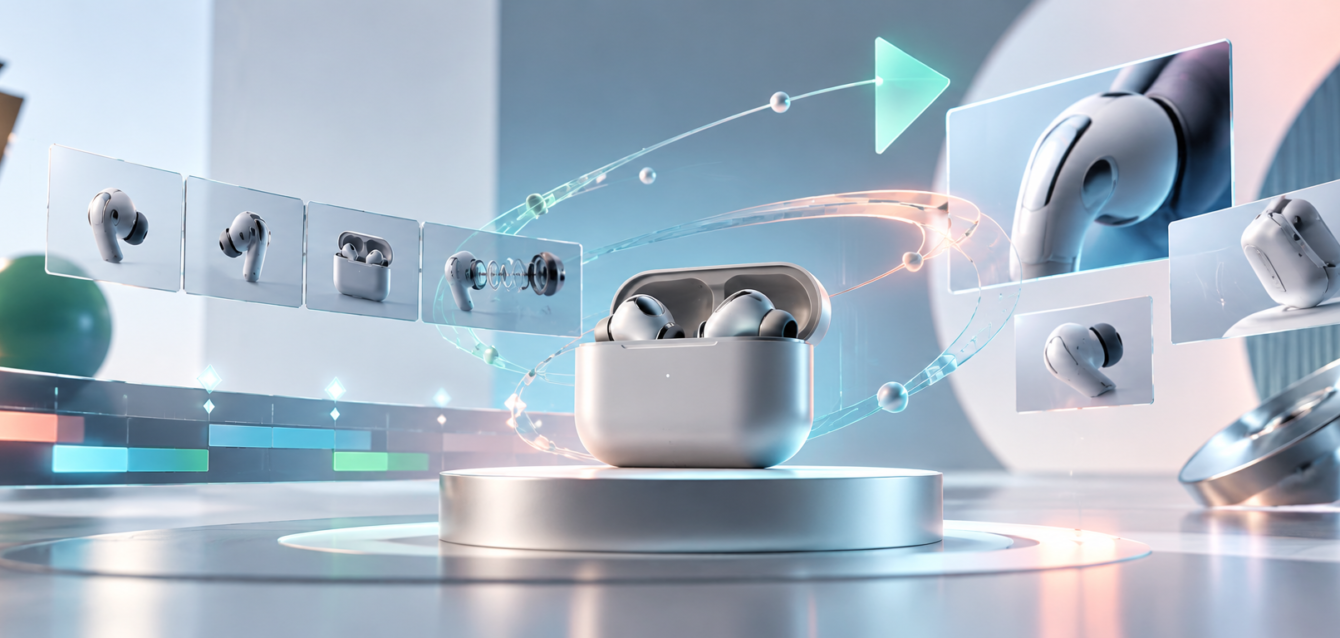
Animation for product marketing is one of the clearest ways to explain a product, service, or digital idea when screenshots, photos, or static graphics are not enough. For product marketing teams, animation can turn complex workflows into simple visual stories that help buyers understand what a solution does and why it matters.
This article focuses on animation for product marketing, explainer videos, motion graphics, and launch campaigns. For 3D product storytelling specifically, see our related guide on 3D animation services for product stories. Keeping the topics separate helps avoid keyword cannibalization and gives each article a clear search intent.
Why Animation Works for Product Marketing
Many products are difficult to explain through a single image. Software platforms, technical services, industrial products, apps, and custom digital tools often need movement to show how steps connect. Animation helps simplify that story without forcing the viewer to read a long explanation.
A good animation can show the problem, introduce the solution, demonstrate the workflow, and highlight the outcome in a short, structured format. This makes it useful across websites, landing pages, sales decks, ads, onboarding flows, and social campaigns.
Explainer Animation for Complex Services
Explainer animation is useful when a business needs to introduce a service quickly. Instead of listing every feature, the animation can guide the viewer through a problem and show how the service solves it. This works especially well for B2B companies, SaaS products, technical platforms, and professional services.
The strongest explainers are focused. They do not try to explain everything at once. They answer one core question: what does this solution help the customer do better?
Motion Graphics for Brand and Campaign Content
Motion graphics are ideal for turning brand messages, statistics, interface moments, and campaign ideas into polished visual content. They can be used in launch videos, ad creatives, homepage sections, event screens, investor presentations, and social media campaigns.
Unlike character-heavy animation, motion graphics can stay clean, professional, and fast-moving. This makes them a strong fit for technology brands, enterprise services, and companies that need visual clarity without a cartoon-style tone.
Animation for Product Launches
Product launches often need multiple pieces of content: teaser clips, feature explainers, launch videos, social assets, and sales enablement material. Animation helps create a consistent visual language across all of these channels.
For example, a company launching a new platform can use animated interface flows to explain the product on a landing page, shorter cuts for social media, and a longer version for sales teams. This keeps the message consistent while adapting the format to each channel.
2D Animation vs 3D Animation
2D animation is often best for abstract concepts, workflows, icons, diagrams, and service explanations. 3D animation is stronger when physical products, environments, mechanical details, or realistic product movement need to be shown.
The right choice depends on the story. If the audience needs to understand a process, 2D motion graphics may be enough. If the audience needs to see a product from multiple angles, understand materials, or visualize physical use, 3D product animation may be more effective.
Where Animation Fits on a Website
Animation can improve a website when it supports clarity. A short explainer near the top of a service page can help visitors understand the offer faster. Animated icons can clarify benefits. Product motion can show how a feature works before the user reads a full section.
However, animation should not slow the page or distract from the message. For performance-focused pages, animation should be compressed, purposeful, and supported by strong website development practices.
Animation and Interactive 3D Experiences
Animation can also support interactive product experiences. A standard video can explain the product story, while an interactive configurator lets users explore product options themselves. For products that need hands-on exploration, a 3D configurator or WebGL experience can work alongside animation.
This combination is useful for brands that need both storytelling and interaction. Animation builds understanding, while interactivity supports product exploration and buyer confidence.
How to Plan an Animation Project
A strong animation project starts with a clear goal. The goal may be explaining a service, improving landing page conversions, supporting a launch, making a sales deck easier to understand, or creating campaign content.
From there, the team should define the audience, message, runtime, visual style, script, storyboard, voiceover needs, delivery formats, and where the animation will be used. Planning these details early helps avoid revisions and keeps the final asset aligned with the business outcome.
Industrial teams that need to explain hidden mechanisms, assemblies, or maintenance workflows can also use industrial technical animation to make complex systems easier for buyers and operators to understand.
Final Thoughts
Animation is most effective when it makes a message easier to understand. Whether it is a product explainer, motion graphics campaign, launch video, or website asset, the goal should be clarity first and visual polish second.
Need animation for a product, campaign, or website? Contact Ink & Algorithm to plan animation assets that support your marketing and sales goals.